I"m happy you like Frank Sinatra.
Really. Truly.
(Now, I think he sounds oily, myself.)
I'm happy you like Frank Sinatra.
It's so perfect--
Another small piece of you, who I love.
November 27, 2005

November 25, 2005
Oh My Word #2
:: a recurring Beehive feature in which we offer, purely for your verbaceous pleasure, words we like to say for no reason except that we just like to say them ::
ignominious
fungiform
discombobulated
mizzle
Virtual M&Ms to anyone who constructs a viable sentence using all four of these bodaciously delicious bits of verbage. Double M&Ms for a haiku.
ignominious
fungiform
discombobulated
mizzle
Virtual M&Ms to anyone who constructs a viable sentence using all four of these bodaciously delicious bits of verbage. Double M&Ms for a haiku.
November 24, 2005
a favorite poem for today
Thanksgiving
by Elizabeth Payson Prentiss
I thank Thee, O my God, that through Thy grace
I know Thee, who Thou art;
That I have seen the beauty of Thy face
And felt Thee in my heart.
I thank Thee, O my Savior, who hast deigned
To stoop to even me;
Within my inmost soul hast ruled and reigned,
And will my ransom be.
I thank Thee, Holy Spirit, that Thy wings
Brood o'er my wandering mind;
Bringing to my remembrance sacred things
To which my eyes were blind.
I thank Thee, Triune God! But oh, how cold
The warmest words I speak;
For love and goodness strange and manifold,
All human words are weak.
O teach me, then, to praise Thee with my life,
With stern obedience;
To make the atmosphere about me rife
With silent eloquence!
by Elizabeth Payson Prentiss
I thank Thee, O my God, that through Thy grace
I know Thee, who Thou art;
That I have seen the beauty of Thy face
And felt Thee in my heart.
I thank Thee, O my Savior, who hast deigned
To stoop to even me;
Within my inmost soul hast ruled and reigned,
And will my ransom be.
I thank Thee, Holy Spirit, that Thy wings
Brood o'er my wandering mind;
Bringing to my remembrance sacred things
To which my eyes were blind.
I thank Thee, Triune God! But oh, how cold
The warmest words I speak;
For love and goodness strange and manifold,
All human words are weak.
O teach me, then, to praise Thee with my life,
With stern obedience;
To make the atmosphere about me rife
With silent eloquence!
November 23, 2005
Thanksgiving Apology
Fa-So-La-La
The Beehive Faithful are undoubtedly wondering at this point why there has been absolutely no change at the Beehive in several days. And the answer is that we are on a rather extended trip, and it is against our Company Policy (you know, the policy of how to be good company) to hang out on the computer when you could be with the people around you. So if you are wondering why there is no Thanksgiving hullabaloo, rest assured that there is plenty, we just aren't posting it.
I would, however, like to share my new favorite phrase that I coined earlier this week: "Be that as it were..."
So have a jolly Thanksgiving!
The Beehive Faithful are undoubtedly wondering at this point why there has been absolutely no change at the Beehive in several days. And the answer is that we are on a rather extended trip, and it is against our Company Policy (you know, the policy of how to be good company) to hang out on the computer when you could be with the people around you. So if you are wondering why there is no Thanksgiving hullabaloo, rest assured that there is plenty, we just aren't posting it.
I would, however, like to share my new favorite phrase that I coined earlier this week: "Be that as it were..."
So have a jolly Thanksgiving!
November 16, 2005
Don't worry--this was written in October
by The Shieldmaiden
October Morning
Luminous, misty dawn.
All down the hillside, the spiderwebs shine with dew.
Like the stars, they have been there all along; moisture is the night that makes them visible.
On such October mornings as this, we look around us, as if in some new and magical land.
The place itself has been transformed; a new Spirit is there.
The mystical draws close behind the luminous veil.
We see the things about us and sense larger meanings, just beyond our grasp.
--by Me
October Morning
Luminous, misty dawn.
All down the hillside, the spiderwebs shine with dew.
Like the stars, they have been there all along; moisture is the night that makes them visible.
On such October mornings as this, we look around us, as if in some new and magical land.
The place itself has been transformed; a new Spirit is there.
The mystical draws close behind the luminous veil.
We see the things about us and sense larger meanings, just beyond our grasp.
--by Me
November 15, 2005
Oh My Word #1
:: a new but destined to be recurring Beehive feature in which we offer, purely for your verbaceous pleasure, words we like to say for no reason except that we just like to say them ::
shishkabob
kerfuffle
spatula
kumquat
Virtual M&Ms to anyone who constructs a viable sentence using all four of these bodaciously delicious bits of verbage. Double M&Ms for a haiku.
shishkabob
kerfuffle
spatula
kumquat
Virtual M&Ms to anyone who constructs a viable sentence using all four of these bodaciously delicious bits of verbage. Double M&Ms for a haiku.
November 11, 2005
In Which i Rummage for a Pickaxe
I tried to pull poems from the air
Like a radio-- I thought
If I only fiddled with the dials enough,
I would catch the Poem Station.
Poems 98.7! All poems, all the time!
i'm a postmodern poet,
the worst kind.
My Forbears never Heard of Radios.
They mined Poems from Deepest Earth
With Pickaxe and Shovel.
Clangs the shovel, steel flashes. Rubble everywhere.
but i'm a postmodern poet,
the worst kind,
and i can't stop messing with the dials.
Like a radio-- I thought
If I only fiddled with the dials enough,
I would catch the Poem Station.
Poems 98.7! All poems, all the time!
i'm a postmodern poet,
the worst kind.
My Forbears never Heard of Radios.
They mined Poems from Deepest Earth
With Pickaxe and Shovel.
Clangs the shovel, steel flashes. Rubble everywhere.
but i'm a postmodern poet,
the worst kind,
and i can't stop messing with the dials.
November 10, 2005
Turkey Day is Coming
Great Scot
The younger visitors of The Beehive may not fully appreciate this, but those of us who remember the 80s will definitely want to go here:
I Will Survive
The younger visitors of The Beehive may not fully appreciate this, but those of us who remember the 80s will definitely want to go here:
I Will Survive
Poetry, 30 minutes, and SAT practice
Fa-So-La-La
Those of you who are the Beehive Faithful will recall that not too long ago (29 days ago, to be precise) I took the PSAT. Well, the scores aren't in yet, and I'm already thinking about the SAT, which looms into my life sometime in April. So in anticipation of that not-so-far-off day, I had a timed essay today, which turned out much better than expected or hoped, given the fact that I'm a slow writer. I've got this little problem called perfectionism, see. But anyway, Queenie wanted me to post it, so here it be.
Oh, and the subject was, "Explain the worth of poetry and why some people think it is a waste of time."
(A note-- being timed and all that, 30 minutes of time specifically, I didn't have time to polish it, so it's a tad on the rough side.)
There are two ways of looking at knowledge and education. One is to see knowledge as a means to an end– the way you get credits for college, or something that will get you a job once you graduate. People who hold this belief are usually the type who go around talking about how they have enough credits to graduate but their teacher won’t let them, or that their next school year will be easy because they have got all their credits except this or that science.
The other way of viewing education is to see it not as work that you can stop the minute you get what you are after, but as a continual life process to enrich and beautify the mind. These people believe that anything is worth learning, because God thought it was worth creating. Who are we to disvalue what the Lord thinks worthy?
The reason I mention this in an essay that is supposed to be about the worth of poetry is that these two sets of people have very different ideas on the subject, both of which bear looking into. The first type mentioned, the ones who are after credit, undoubtedly will read poetry at some point in their lives. Probably in some English Lit class that they had to take to get their credits. They will do it, and they will do well enough to get a good grade (because they want the credit), but they won’t really relish it. The other type, the ones who are after knowledge, will read poetry because it is a beautiful expression of creation; because in reading it they will be nourished.
The first type have a point. Or rather they have half a point. Because it is true that poetry which has no effect on us is not worth reading. But what they miss is that just because the effect of poetry is not tangible, not absolute, not practical, does not mean it has no worth whatsoever.
I wonder if these people have ever thought about the fact that they spend their entire lives immersed in poetry, in the form of song lyrics. They will turn on the radio in their car and remark that they love such and such a song. You ask them why, and they will probably tell you that they love the words, or that the words are special to them, or about something they have often felt. And here they unconsciously give testimony to the real worth of poetry.
Life is much less absolute than most people seem to think. It is composed of facts and emotions, twined together inextricably in the memory. While there is most certainly an absolute moral right and wrong, the absolutes stop there. Memory and experience are entirely subjective– two people can go to the same party, and one of them comes away thinking that everyone was in low spirits and the other thinking it was a lovely evening. Two people may be talking and one of them thinks they are flirting and the other thinks they are having a solid conversation. Experience is subjective enough as it is, but then the matter of emotion comes into play. No brain (unless it belongs to some completely rational monster) records ‘just the facts’ of anything. It also records hazy, half -realized impressions and vague feelings.
Poetry is the one form of language particularly suited to capturing and making sense of this jumbled mess (which is why even the most practical pigs continually return to song lyrics). While prose deals in absolutes, poetry flirts with the periphery of human emotion and experience. For instance, the apple-blossom poem by Christina Rossetti– she could have simply stated that she tried to be attractive to someone and failed, but she instead used a luscious metaphor that hints and suggests at nuances, just like memory. By using figurative language she comes much closer to capturing the essence of that evening than she would have if she had used plain language.
This is what poetry does for us– it acts as an extension of all five senses at once, mingling our very senses together. If you read most poetry very carefully, you will notice that images are used to express sounds, touch to express sight, and so on. Poetry, by blending the senses, becomes in essence a sixth sense.
G. K. Chesterton always said that the truth lies in a paradox. If so, the paradox in poetry lies in the fact that by confusing the senses it augments their powers of observation, by recording peripheral impressions it captures the essence of a thing, and by using swirling, metaphorical language it makes things plain. It binds and sets free, it clouds and reveals. And at each step of the way it makes another aspect of God and His creation plainer.
Those of you who are the Beehive Faithful will recall that not too long ago (29 days ago, to be precise) I took the PSAT. Well, the scores aren't in yet, and I'm already thinking about the SAT, which looms into my life sometime in April. So in anticipation of that not-so-far-off day, I had a timed essay today, which turned out much better than expected or hoped, given the fact that I'm a slow writer. I've got this little problem called perfectionism, see. But anyway, Queenie wanted me to post it, so here it be.
Oh, and the subject was, "Explain the worth of poetry and why some people think it is a waste of time."
(A note-- being timed and all that, 30 minutes of time specifically, I didn't have time to polish it, so it's a tad on the rough side.)
--------------------------------
There are two ways of looking at knowledge and education. One is to see knowledge as a means to an end– the way you get credits for college, or something that will get you a job once you graduate. People who hold this belief are usually the type who go around talking about how they have enough credits to graduate but their teacher won’t let them, or that their next school year will be easy because they have got all their credits except this or that science.
The other way of viewing education is to see it not as work that you can stop the minute you get what you are after, but as a continual life process to enrich and beautify the mind. These people believe that anything is worth learning, because God thought it was worth creating. Who are we to disvalue what the Lord thinks worthy?
The reason I mention this in an essay that is supposed to be about the worth of poetry is that these two sets of people have very different ideas on the subject, both of which bear looking into. The first type mentioned, the ones who are after credit, undoubtedly will read poetry at some point in their lives. Probably in some English Lit class that they had to take to get their credits. They will do it, and they will do well enough to get a good grade (because they want the credit), but they won’t really relish it. The other type, the ones who are after knowledge, will read poetry because it is a beautiful expression of creation; because in reading it they will be nourished.
The first type have a point. Or rather they have half a point. Because it is true that poetry which has no effect on us is not worth reading. But what they miss is that just because the effect of poetry is not tangible, not absolute, not practical, does not mean it has no worth whatsoever.
I wonder if these people have ever thought about the fact that they spend their entire lives immersed in poetry, in the form of song lyrics. They will turn on the radio in their car and remark that they love such and such a song. You ask them why, and they will probably tell you that they love the words, or that the words are special to them, or about something they have often felt. And here they unconsciously give testimony to the real worth of poetry.
Life is much less absolute than most people seem to think. It is composed of facts and emotions, twined together inextricably in the memory. While there is most certainly an absolute moral right and wrong, the absolutes stop there. Memory and experience are entirely subjective– two people can go to the same party, and one of them comes away thinking that everyone was in low spirits and the other thinking it was a lovely evening. Two people may be talking and one of them thinks they are flirting and the other thinks they are having a solid conversation. Experience is subjective enough as it is, but then the matter of emotion comes into play. No brain (unless it belongs to some completely rational monster) records ‘just the facts’ of anything. It also records hazy, half -realized impressions and vague feelings.
Poetry is the one form of language particularly suited to capturing and making sense of this jumbled mess (which is why even the most practical pigs continually return to song lyrics). While prose deals in absolutes, poetry flirts with the periphery of human emotion and experience. For instance, the apple-blossom poem by Christina Rossetti– she could have simply stated that she tried to be attractive to someone and failed, but she instead used a luscious metaphor that hints and suggests at nuances, just like memory. By using figurative language she comes much closer to capturing the essence of that evening than she would have if she had used plain language.
This is what poetry does for us– it acts as an extension of all five senses at once, mingling our very senses together. If you read most poetry very carefully, you will notice that images are used to express sounds, touch to express sight, and so on. Poetry, by blending the senses, becomes in essence a sixth sense.
G. K. Chesterton always said that the truth lies in a paradox. If so, the paradox in poetry lies in the fact that by confusing the senses it augments their powers of observation, by recording peripheral impressions it captures the essence of a thing, and by using swirling, metaphorical language it makes things plain. It binds and sets free, it clouds and reveals. And at each step of the way it makes another aspect of God and His creation plainer.
Thursday v. Infinity
Fa-So-La-La
Well, I've been thinking about flippancy. And if you, gentle reader, are among the number of my better aquaintances, you probably know what I've been thinking about it.
I don't like it.
So, instead of boring you all with a long rant on the subject, I thought I'd prove the point of my essay above and provide you with a poem about it instead. The poem gets the job done much better than the rant would have.
So here it is! Enjoy-- it's one of my favoritey favorites, written by Wislawa Szymborska, one of my favoritey favorite poets.
Warning
Don't take jesters into outer space,
that's my advice.
Fourteen lifeless planets,
a few comets, two stars.
By the time you take off for the third star,
your jesters will be out of humor.
The cosmos is what it is--
namely, perfect.
Your jesters will never forgive it.
Nothing will make them happy:
not time (too immemorial),
not beauty (no flaws),
not gravity (no use for levity).
While others drop their jaws in awe,
the jesters will just yawn.
En route to the fourth star
things will only get worse.
Curdled smiles,
disrupted sleep and equilibrium,
idle chatter:
Remember that crow with the cheese in its beak, the fly droppings on His Majesty's portrait,
the monkey in the steaming bath--
now that was living.
Narrow-minded
They'll take Thursday over infinity anyday.
Primitive.
Out of tune suits them better than the music of the spheres.
They're happiest in the cracks
between theory and practice,
cause and effect.
But this is Space, not Earth: everything's a perfect fit.
On the thirtieth planet
(with an eye to its impeccable desolation)
they'll refuse even to leave their cubicles:
"My head aches," they'll complain. "I stubbed my toe."
What a waste. What a disgrace.
So much good money lost in outer space.
Well, I've been thinking about flippancy. And if you, gentle reader, are among the number of my better aquaintances, you probably know what I've been thinking about it.
I don't like it.
So, instead of boring you all with a long rant on the subject, I thought I'd prove the point of my essay above and provide you with a poem about it instead. The poem gets the job done much better than the rant would have.
So here it is! Enjoy-- it's one of my favoritey favorites, written by Wislawa Szymborska, one of my favoritey favorite poets.
Warning
Don't take jesters into outer space,
that's my advice.
Fourteen lifeless planets,
a few comets, two stars.
By the time you take off for the third star,
your jesters will be out of humor.
The cosmos is what it is--
namely, perfect.
Your jesters will never forgive it.
Nothing will make them happy:
not time (too immemorial),
not beauty (no flaws),
not gravity (no use for levity).
While others drop their jaws in awe,
the jesters will just yawn.
En route to the fourth star
things will only get worse.
Curdled smiles,
disrupted sleep and equilibrium,
idle chatter:
Remember that crow with the cheese in its beak, the fly droppings on His Majesty's portrait,
the monkey in the steaming bath--
now that was living.
Narrow-minded
They'll take Thursday over infinity anyday.
Primitive.
Out of tune suits them better than the music of the spheres.
They're happiest in the cracks
between theory and practice,
cause and effect.
But this is Space, not Earth: everything's a perfect fit.
On the thirtieth planet
(with an eye to its impeccable desolation)
they'll refuse even to leave their cubicles:
"My head aches," they'll complain. "I stubbed my toe."
What a waste. What a disgrace.
So much good money lost in outer space.
November 8, 2005
A Tale for Ludwig
The Shieldmaiden
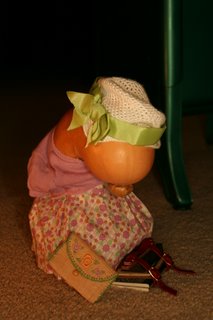
Princess Butternut
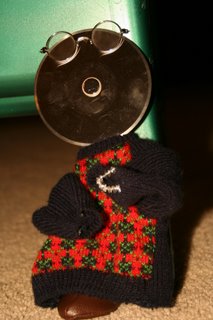
met Tommy Handtossed at Squashblossom High.
She was sweet, and he was sharp, and they seemed a perfect couple.
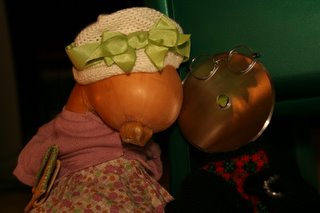
He asked her over for pizza and a movie.
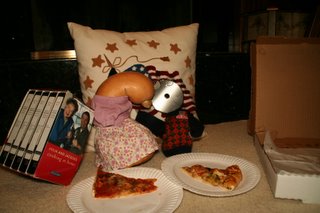
He came straight from his job, at Papa John's.
All was going well, until...
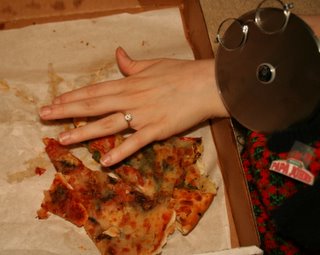
Screebees!!! A human hand hovered into the scene, attempting to steal their pizza. Take action, Tommy!
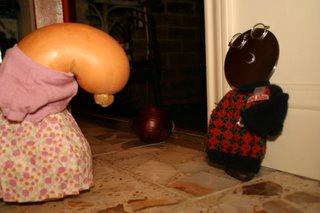
Hark! The doorbell! Who could it be?

Princess Butternut's former boyfriend,
Onion Bunyan!
She loved him once, but he made her cry.
"Will you go to the Squashblossom prom with me?" he asked.
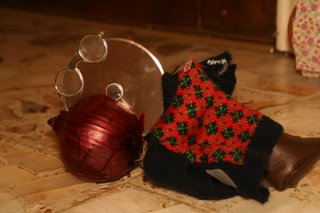
Oh, dear, Tommy. That wasn't nice.
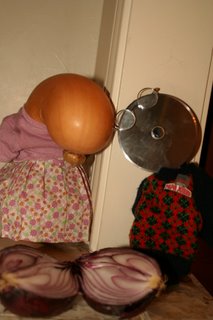
"Well, I guess I'm your only option now, Princess!"
"As you wish!" cried Butternut.
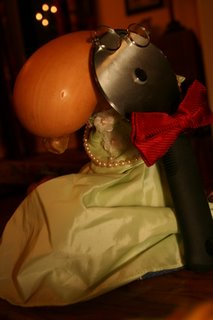
Such a lovely couple.

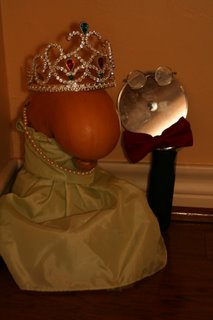
She was voted All Squash Favorite!
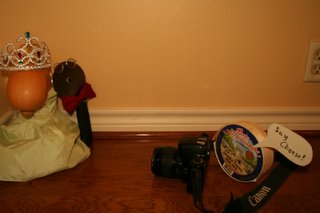
Mr. Briechamp took fotos at the prom. Such a cheesy chap.
(Say, where DID he get that camera?)
 By the end of the prom, it was all over. Princess Butternut found Tommy's humor too cutting, his remarks too sharp. Though their relationship was over, they would forever treasure the memory of their magical evening together.
The End.
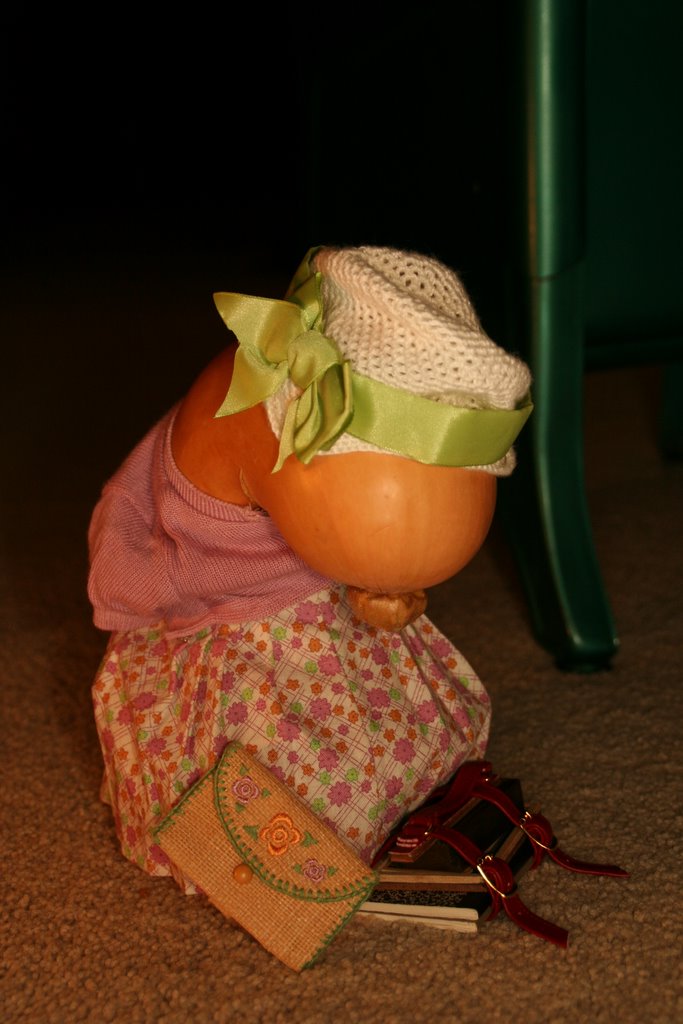
Princess Butternut

met Tommy Handtossed at Squashblossom High.
She was sweet, and he was sharp, and they seemed a perfect couple.
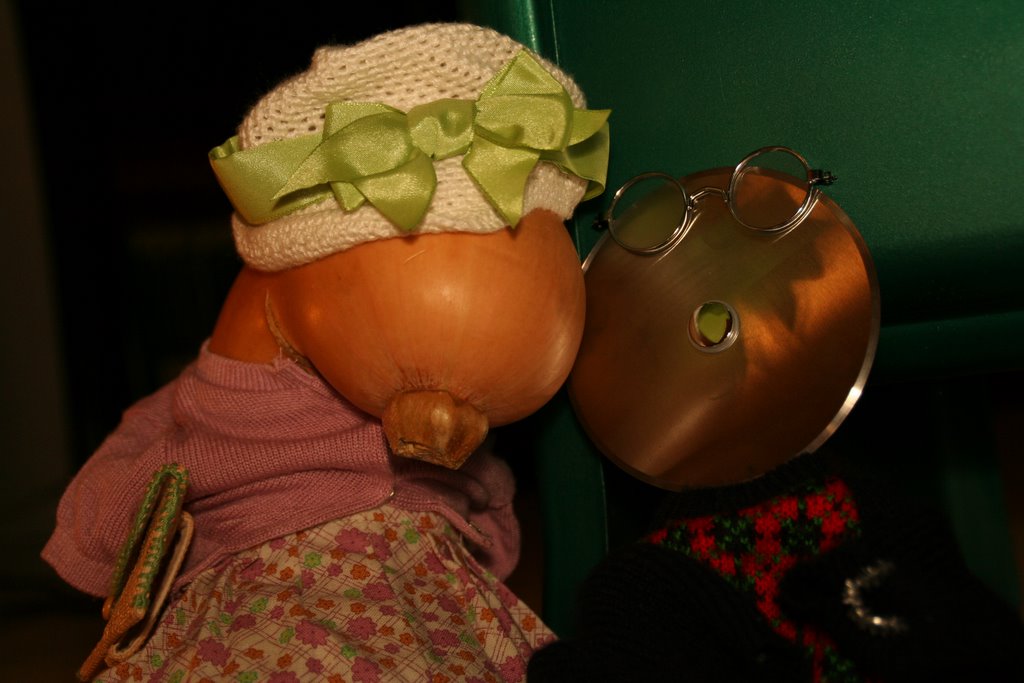
He asked her over for pizza and a movie.
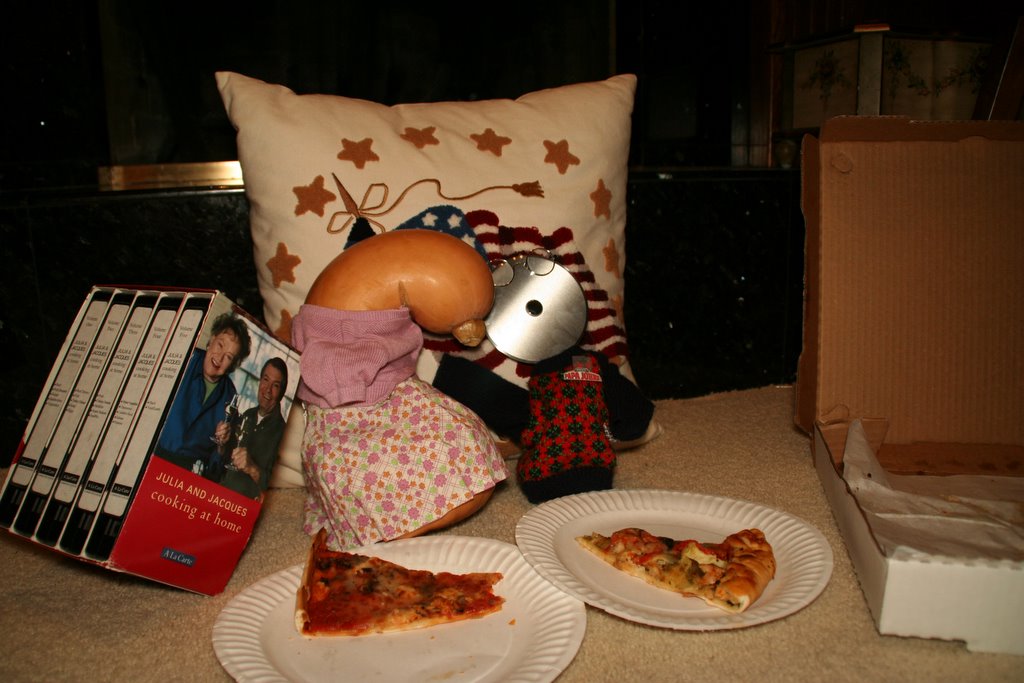
He came straight from his job, at Papa John's.
All was going well, until...
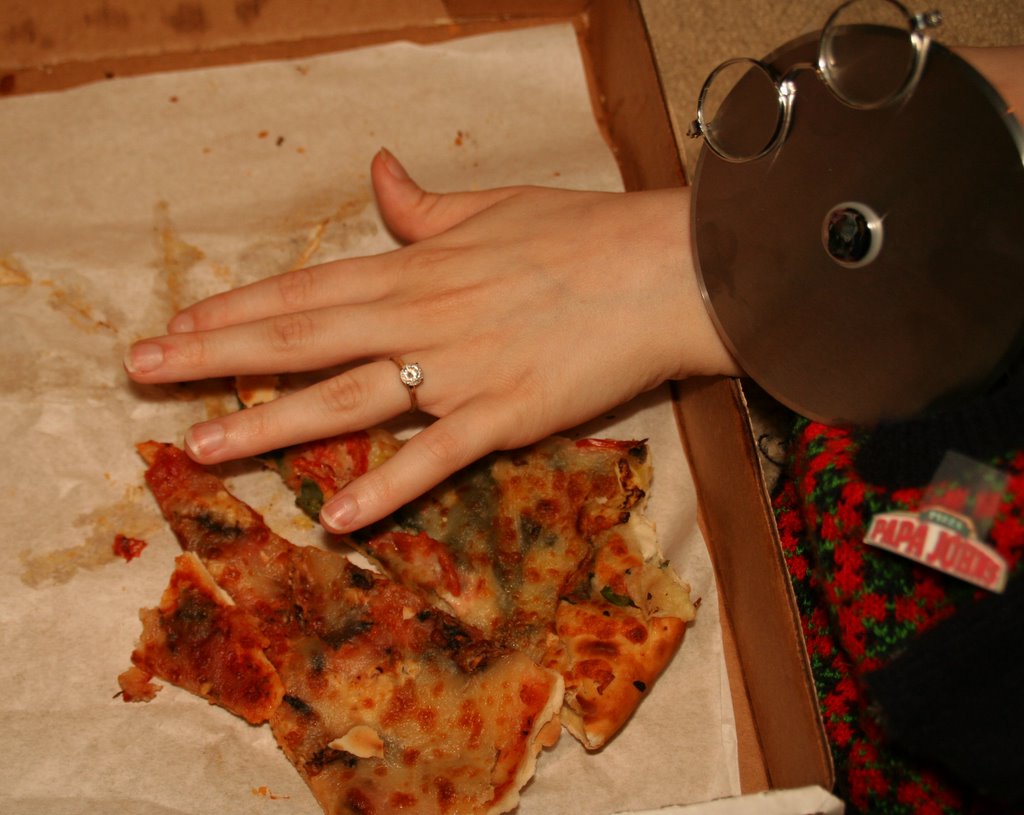
Screebees!!! A human hand hovered into the scene, attempting to steal their pizza. Take action, Tommy!

Hark! The doorbell! Who could it be?
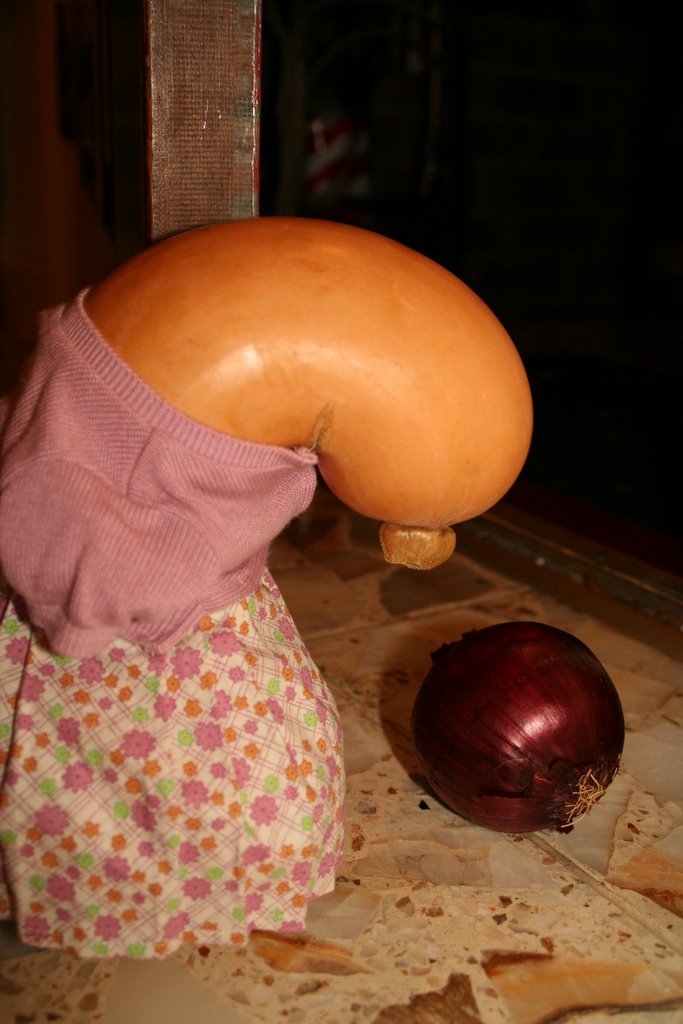
Princess Butternut's former boyfriend,
Onion Bunyan!
She loved him once, but he made her cry.
"Will you go to the Squashblossom prom with me?" he asked.
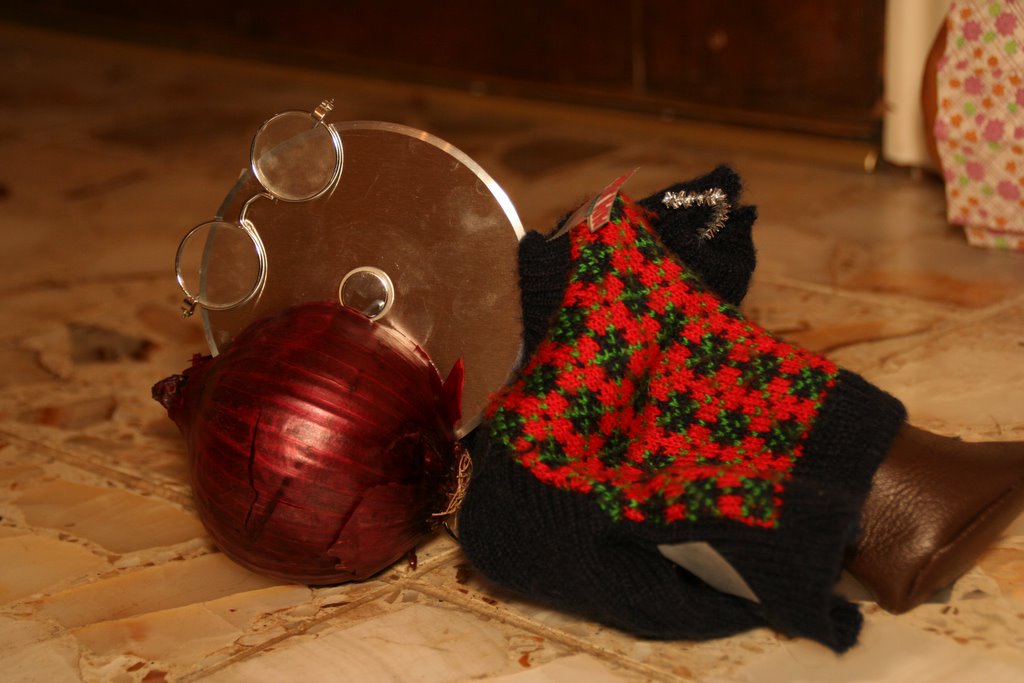
YYAAARRRGGHHH!!!!!!!!!
Oh, dear, Tommy. That wasn't nice.
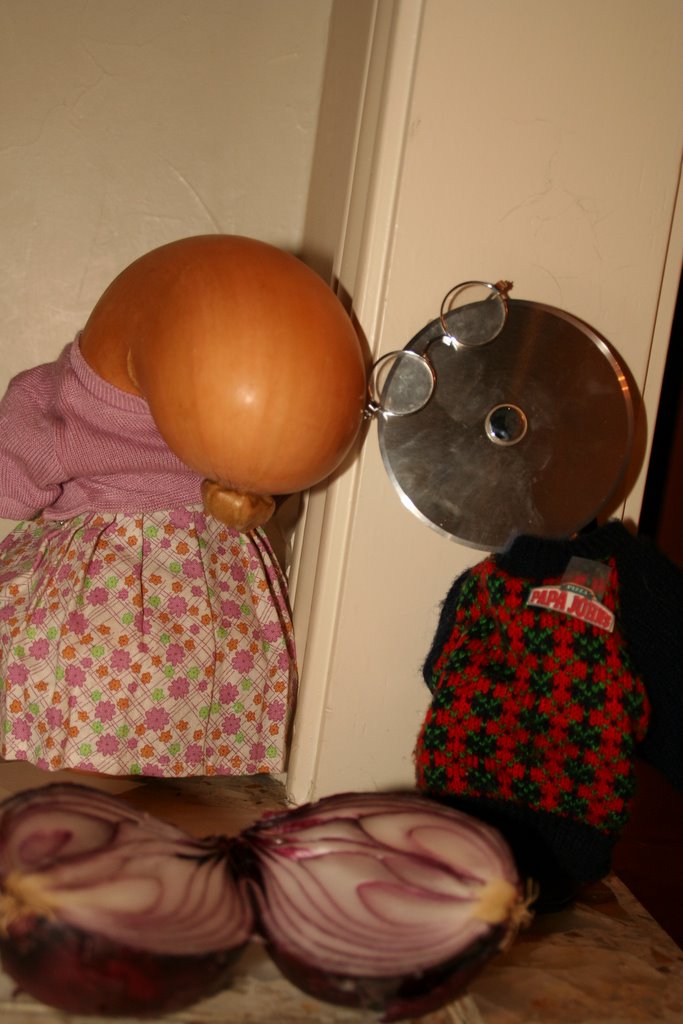
"Well, I guess I'm your only option now, Princess!"
"As you wish!" cried Butternut.
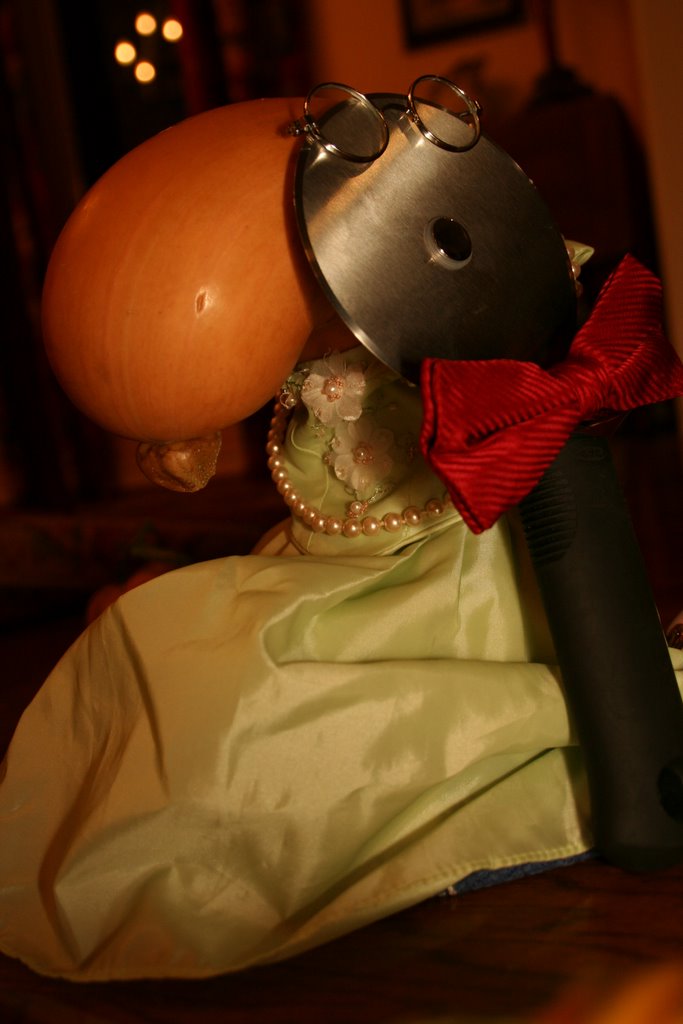
Such a lovely couple.
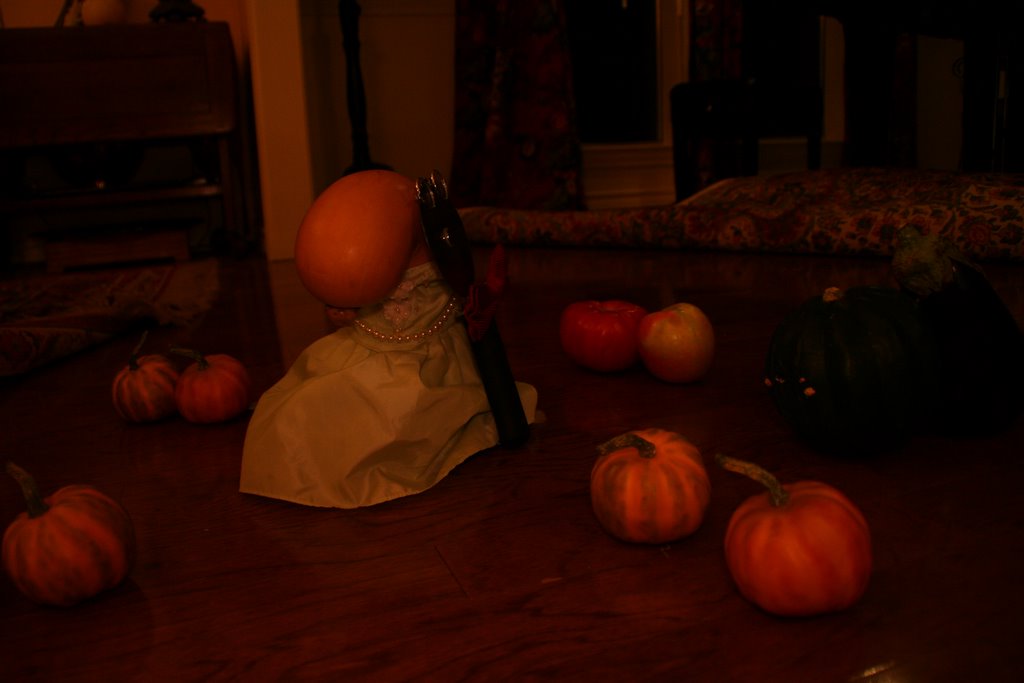

She was voted All Squash Favorite!
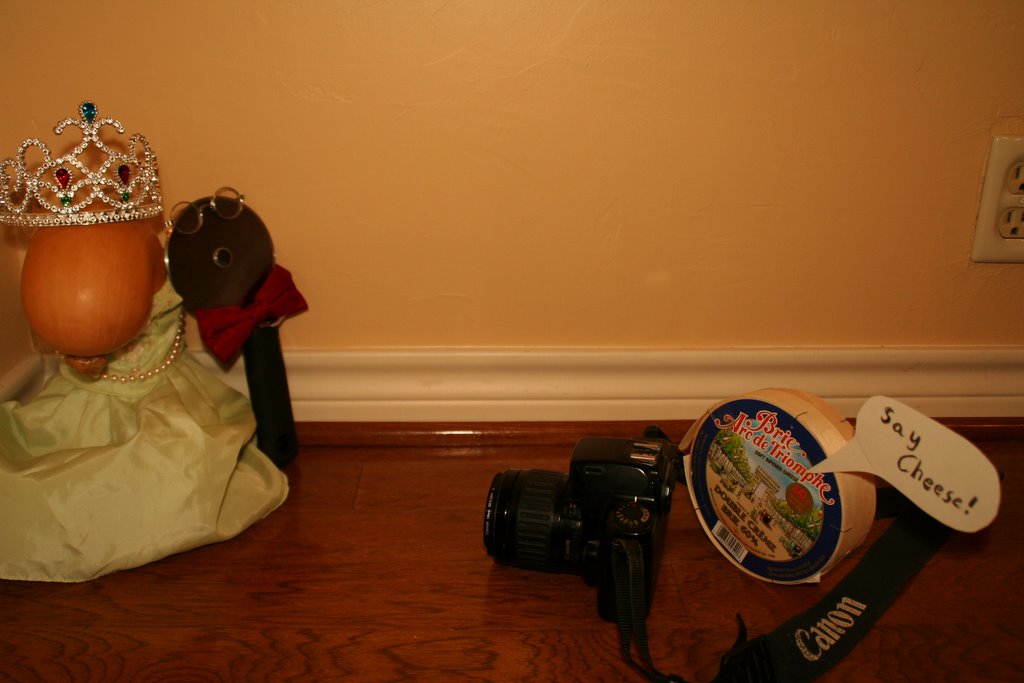
Mr. Briechamp took fotos at the prom. Such a cheesy chap.
(Say, where DID he get that camera?)
 By the end of the prom, it was all over. Princess Butternut found Tommy's humor too cutting, his remarks too sharp. Though their relationship was over, they would forever treasure the memory of their magical evening together.
The End.
Laws of Love (part 2)
Queen Shenaynay
The next six commandments govern personal relationships. The first is already stated positively: honor your father and mother, a command echoed by virtually every society on earth. The next five:
Human life is sacred. I gave it, and it has enormous worth. Cling to it. Respect it; it is the image of God. He who ignores this and commits the sacrilege of murder must be punished.
The deepest human relationship possible is marriage. I created it to solve the essential loneliness in the heart of every person. To spread what is meant for marriage alone among a variety of people will devalue and destroy that relationship. Save sex and intimacy for its rightful place within marriage.
I am entrusting you with property. You can own things, and you should use them responsibly. Ownership is a great privilege. For it to work, you must respect everyone else's right to ownership; stealing violates that right.
I am a God of truth. Relationships only succeed when they are governed by truth. A lie destroys contracts, promises, trust. You are worthy of trust: express it by not lying.
I have given you good things to enjoy: oxen, grains, gold, furniture, musical instruments. But people are always more important than things. Love people; use things. Do not use people for your love of things.
Stripped down, the commandments emerge as a basic skeleton of trust that links relationships between people and between people and God. God claims, as the Good Shepherd, that He has given law as the way to the best life. Our own rebellion, from the Garden of Eden onward, tempts us to believe He is the bad shepherd whose laws keep us from something good.
(snip)
Jesus' Sermon on the Mount puts the capstone on His attitude toward the law. There, He described the Ten Commandments as the bare minimum. They actually point to profound principles: modesty, respect, non-violence, sharing. Then Jesus submitted the ideal social ethic -- a system governed by only one law, the law of love. He calls us toward that ideal. Why? So God can take a fatherly pride in how well His little experiment on earth is progressing? Of course not. These laws were not given for God's sake, but for ours. "The Sabbath was made for man, not man for the Sabbath," He said, and "You will know the truth, and the truth will set you free" (Mark 2:27; John 8:32). Jesus came to cleanse the violence, greed, lust, and hurtful competition from within us for our sakes. His desire is to have us become like God.
(snip)
I conclude with G. K. Chesterton that "the more I considered Christianity, the more I found that while it had established a rule and order, the chief aim of that order was to give room for good things to run wild."
A highly recommended book.
a continuation of an excerpt from Fearfully & Wonderfully Made
The next six commandments govern personal relationships. The first is already stated positively: honor your father and mother, a command echoed by virtually every society on earth. The next five:
Human life is sacred. I gave it, and it has enormous worth. Cling to it. Respect it; it is the image of God. He who ignores this and commits the sacrilege of murder must be punished.
The deepest human relationship possible is marriage. I created it to solve the essential loneliness in the heart of every person. To spread what is meant for marriage alone among a variety of people will devalue and destroy that relationship. Save sex and intimacy for its rightful place within marriage.
I am entrusting you with property. You can own things, and you should use them responsibly. Ownership is a great privilege. For it to work, you must respect everyone else's right to ownership; stealing violates that right.
I am a God of truth. Relationships only succeed when they are governed by truth. A lie destroys contracts, promises, trust. You are worthy of trust: express it by not lying.
I have given you good things to enjoy: oxen, grains, gold, furniture, musical instruments. But people are always more important than things. Love people; use things. Do not use people for your love of things.
Stripped down, the commandments emerge as a basic skeleton of trust that links relationships between people and between people and God. God claims, as the Good Shepherd, that He has given law as the way to the best life. Our own rebellion, from the Garden of Eden onward, tempts us to believe He is the bad shepherd whose laws keep us from something good.
(snip)
Jesus' Sermon on the Mount puts the capstone on His attitude toward the law. There, He described the Ten Commandments as the bare minimum. They actually point to profound principles: modesty, respect, non-violence, sharing. Then Jesus submitted the ideal social ethic -- a system governed by only one law, the law of love. He calls us toward that ideal. Why? So God can take a fatherly pride in how well His little experiment on earth is progressing? Of course not. These laws were not given for God's sake, but for ours. "The Sabbath was made for man, not man for the Sabbath," He said, and "You will know the truth, and the truth will set you free" (Mark 2:27; John 8:32). Jesus came to cleanse the violence, greed, lust, and hurtful competition from within us for our sakes. His desire is to have us become like God.
(snip)
I conclude with G. K. Chesterton that "the more I considered Christianity, the more I found that while it had established a rule and order, the chief aim of that order was to give room for good things to run wild."
A highly recommended book.
What a perfect horrid quiz!
Fa-So-La-La
I have always wondered what the Thorpes of Northanger Abbey meant when they talked about quizzes. "Mother, where did you get that quiz of a hat?" "Do you wish to see four of the most amazing quizzes?" "John quizzed his sisters" "Oh, what a perfect horrid quiz he is!" It is a noun, a verb, and an adjective, all at the same time, and is apparently an indispensible part of the English language. Well, anyway, in an effort to understand a little better, I have done a bit of quiziality myself. In other words, I made a quiz. So here it is. Down there. And if you would be so kind as to take it, I'd be most grateful. Thankee kindly!
http://www.quizyourfriends.com/yourquiz.php?quizname=051108144759-924629
I have always wondered what the Thorpes of Northanger Abbey meant when they talked about quizzes. "Mother, where did you get that quiz of a hat?" "Do you wish to see four of the most amazing quizzes?" "John quizzed his sisters" "Oh, what a perfect horrid quiz he is!" It is a noun, a verb, and an adjective, all at the same time, and is apparently an indispensible part of the English language. Well, anyway, in an effort to understand a little better, I have done a bit of quiziality myself. In other words, I made a quiz. So here it is. Down there. And if you would be so kind as to take it, I'd be most grateful. Thankee kindly!
http://www.quizyourfriends.com/yourquiz.php?quizname=051108144759-924629
November 6, 2005
Laws of Love (part 1)
Queen Shenaynay
 We are currently reading this fantastic book aloud. It was written by a renowned surgeon and a best-selling Christian author, who combine their gifts to give us a glorious view of how God's design for the human body "bears the impress of a still deeper, unseen reality." This book defies category, but it proves an inspiring volume for devotional reading. Wonderful, wonderful.
The title comes from Psalm 139.
The following is one of the most thought-provoking passages we've read yet this year, in this or any book. I believe you'll be glad you read it.
Moral law. The Ten Commandments. Obedience. Doing right. A "thou shalt not" negativism taints the words, and we tend to view them as opposites to freedom. As a young Christian, I cringed at such words. But later, especially after I became a father, I started thinking beyond my reflex reaction to the very nature of law. Are not laws essentially a description of reality by the One who created it? His rules governing human behavior -- are they not guidelines meant to enable us to live the very best, most fulfilling life on earth?
I do not slip easily into such reasoning. Laws are too encrusted with cultural barnacles that obscure their true essence. They can summon up in me deeply embedded memories of parental disapproval, and instead I crave another kind of freedom -- freedom from law, not freedom by it.
I have discovered, however, that it is possible to see beyond the surface negativism of, for example, the Ten Commandments and to learn something of the true nature of laws. Rules soon seem as liberating in social activity as bones are in physical activity.
The first four of the Ten Commandments are rules governing a person's relationship to God Himself: Have no other gods before Me. Don't worship idols. Dont misuse My name. Remember the day set aside to worship Me. As I contemplate these once-forbidding commandments, more and more they sound like positive affirmations.
What if God had stated the same principles this way:
* * * * * *
Isn't that good food for thought? Tomorrow I will post the next section, on the remaining six commandments.
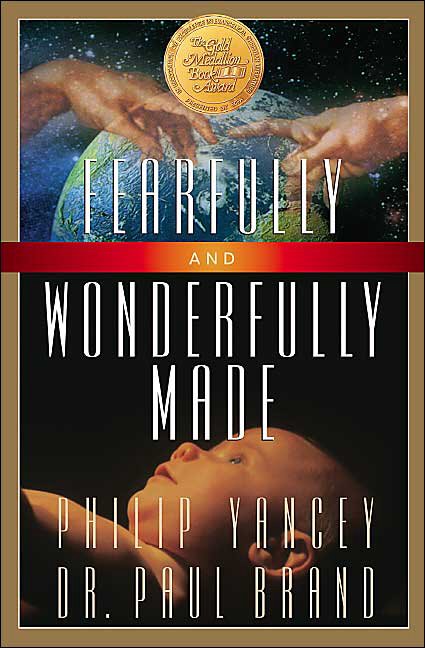 We are currently reading this fantastic book aloud. It was written by a renowned surgeon and a best-selling Christian author, who combine their gifts to give us a glorious view of how God's design for the human body "bears the impress of a still deeper, unseen reality." This book defies category, but it proves an inspiring volume for devotional reading. Wonderful, wonderful.
The title comes from Psalm 139.
The following is one of the most thought-provoking passages we've read yet this year, in this or any book. I believe you'll be glad you read it.
Moral law. The Ten Commandments. Obedience. Doing right. A "thou shalt not" negativism taints the words, and we tend to view them as opposites to freedom. As a young Christian, I cringed at such words. But later, especially after I became a father, I started thinking beyond my reflex reaction to the very nature of law. Are not laws essentially a description of reality by the One who created it? His rules governing human behavior -- are they not guidelines meant to enable us to live the very best, most fulfilling life on earth?
I do not slip easily into such reasoning. Laws are too encrusted with cultural barnacles that obscure their true essence. They can summon up in me deeply embedded memories of parental disapproval, and instead I crave another kind of freedom -- freedom from law, not freedom by it.
I have discovered, however, that it is possible to see beyond the surface negativism of, for example, the Ten Commandments and to learn something of the true nature of laws. Rules soon seem as liberating in social activity as bones are in physical activity.
The first four of the Ten Commandments are rules governing a person's relationship to God Himself: Have no other gods before Me. Don't worship idols. Dont misuse My name. Remember the day set aside to worship Me. As I contemplate these once-forbidding commandments, more and more they sound like positive affirmations.
What if God had stated the same principles this way:
I love you so much that I will give you Myself. I am true reality, the only God you will ever need. In Me alone will you find wholeness.
I desire a wonderful thing: a direct, personal relationship between Myself and each of you. You don't need inferior representations of Me, such as dead wooden idols. You can have Me. Value that.
I love you so much that I have given you My name. You will be known as "God's people" on the earth. Value the privilege; don't misuse it by profaning your new name or by not living up to it.
I have given you a beautiful world to work in, play in, and enjoy. In your involvement, though, set aside a day to remember where the world came from. Your bodies need the rest; your spirits need the reminder.
* * * * * *
Isn't that good food for thought? Tomorrow I will post the next section, on the remaining six commandments.
Psalm 139
Queen Shenaynay
verses 1-18
O Lord, thou hast searched me, and known me. Thou knowest my downsitting and mine uprising, thou understandest my thought afar off.
Thou compassest my path and my lying down, and art acquainted with all my ways. For there is not a word in my tongue, but, lo, O LORD, thou knowest it altogether. Thou hast beset me behind and before, and laid thine hand upon me. Such knowledge is too wonderful for me; it is high, I cannot attain unto it.
Whither shall I go from thy spirit? or whither shall I flee from thy presence? If I ascend up into heaven, thou art there: if I make my bed in hell, behold, thou art there. If I take the wings of the morning, and dwell in the uttermost parts of the sea; even there shall thy hand lead me, and thy right hand shall hold me.
If I say, Surely the darkness shall cover me; even the night shall be light about me. Yea, the darkness hideth not from thee; but the night shineth as the day: the darkness and the light are both alike to thee.
For thou hast possessed my reins: thou hast covered me in my mother's womb. I will praise thee; for I am fearfully and wonderfully made: marvellous are thy works; and that my soul knoweth right well. My substance was not hid from thee, when I was made in secret, and curiously wrought in the lowest parts of the earth. Thine eyes did see my substance, yet being unperfect; and in thy book all my members were written, which in continuance were fashioned, when as yet there was none of them.
How precious also are thy thoughts unto me, O God! how great is the sum of them! If I should count them, they are more in number than the sand: when I awake, I am still with thee.
verses 1-18
O Lord, thou hast searched me, and known me. Thou knowest my downsitting and mine uprising, thou understandest my thought afar off.
Thou compassest my path and my lying down, and art acquainted with all my ways. For there is not a word in my tongue, but, lo, O LORD, thou knowest it altogether. Thou hast beset me behind and before, and laid thine hand upon me. Such knowledge is too wonderful for me; it is high, I cannot attain unto it.
Whither shall I go from thy spirit? or whither shall I flee from thy presence? If I ascend up into heaven, thou art there: if I make my bed in hell, behold, thou art there. If I take the wings of the morning, and dwell in the uttermost parts of the sea; even there shall thy hand lead me, and thy right hand shall hold me.
If I say, Surely the darkness shall cover me; even the night shall be light about me. Yea, the darkness hideth not from thee; but the night shineth as the day: the darkness and the light are both alike to thee.
For thou hast possessed my reins: thou hast covered me in my mother's womb. I will praise thee; for I am fearfully and wonderfully made: marvellous are thy works; and that my soul knoweth right well. My substance was not hid from thee, when I was made in secret, and curiously wrought in the lowest parts of the earth. Thine eyes did see my substance, yet being unperfect; and in thy book all my members were written, which in continuance were fashioned, when as yet there was none of them.
How precious also are thy thoughts unto me, O God! how great is the sum of them! If I should count them, they are more in number than the sand: when I awake, I am still with thee.
November 5, 2005
To be a buyer, a chooser of books!
Fa-So-La-La
(virtual M&M's for the title!)
This is a happy day indeed. And why, you ask? Because today I signed my name inside the front of a new book! Dallas has been blessed by yet another sizeable Barnes & Noble, to which we made pilgrimage today. I thought the occasion just right for purchasing a book-- a good way to kick off my relationship with the new bookstore. So after evading helpful salespeople and wading through sloughs of chick lit, I found just the kind of book that a person such as myself would enjoy reading-- Villette, by Charlotte Bronte.
Jane Eyre is one of my favoritest of favorites, so I have long wanted to move further up and further in the realm of Bronte. After scrutinizing the available choices (Shirly and The Professer were the other two-- if any of the Beehive Faithful know anything about either of these, I would appreciate the information), I picked Villette because many people have said they love it, including George Elliot, and it is long. Every now and then I get in the mood for a really, reaaaaally long novel. Perhaps during one of these sprees I should muster the courage to start Middlemarch, speaking of George Elliot-- a daunting undertaking. But anyway, my copy (delightful words!) of Villette is plummy-purple, which I thought was a very Bronte-ish colour. It is the kind of paperback that feels cool and smooth in your hands, and it has a good illustration on the front, creamy paper, and a gracious, readable font. All these things are very, very important, you see. I am dying to buy the Betsy Tacey and Tib books, but I refuse, because I am head over heels in love with the old hardbacks at the library and after reading them that way, the cheaply-printed current edition is just fundamentally wrong. Why don't publishers just republish the old editions? They would sell like hotcakes. I know I'd buy 'em. But then they didn't ask my advise. They almost never do, unfortunately.
So I have been thinking about the joys of reading, living with, and purchasing books. Of all inventions I think they are the most miraculous. I can think of no other, except, perhaps, the wheel, that has done even half of what the book has done for the world..
Living with books is an amazing thing. They make the very air of a house different-- fertile and full. They do the same thing to the mind. My head is full of people I have never met, places I have never seen, thoughts I would never have thought on my own, things I will never experience, because many wise people over many ages wrote down the things closest to their hearts. They have taken the trouble to give me a part of them, and for that I shall ever be grateful.
Thank the Lord for people who will write beautifully and correctly what they know and feel of the world. God bless the writers!
(virtual M&M's for the title!)
This is a happy day indeed. And why, you ask? Because today I signed my name inside the front of a new book! Dallas has been blessed by yet another sizeable Barnes & Noble, to which we made pilgrimage today. I thought the occasion just right for purchasing a book-- a good way to kick off my relationship with the new bookstore. So after evading helpful salespeople and wading through sloughs of chick lit, I found just the kind of book that a person such as myself would enjoy reading-- Villette, by Charlotte Bronte.
Jane Eyre is one of my favoritest of favorites, so I have long wanted to move further up and further in the realm of Bronte. After scrutinizing the available choices (Shirly and The Professer were the other two-- if any of the Beehive Faithful know anything about either of these, I would appreciate the information), I picked Villette because many people have said they love it, including George Elliot, and it is long. Every now and then I get in the mood for a really, reaaaaally long novel. Perhaps during one of these sprees I should muster the courage to start Middlemarch, speaking of George Elliot-- a daunting undertaking. But anyway, my copy (delightful words!) of Villette is plummy-purple, which I thought was a very Bronte-ish colour. It is the kind of paperback that feels cool and smooth in your hands, and it has a good illustration on the front, creamy paper, and a gracious, readable font. All these things are very, very important, you see. I am dying to buy the Betsy Tacey and Tib books, but I refuse, because I am head over heels in love with the old hardbacks at the library and after reading them that way, the cheaply-printed current edition is just fundamentally wrong. Why don't publishers just republish the old editions? They would sell like hotcakes. I know I'd buy 'em. But then they didn't ask my advise. They almost never do, unfortunately.
So I have been thinking about the joys of reading, living with, and purchasing books. Of all inventions I think they are the most miraculous. I can think of no other, except, perhaps, the wheel, that has done even half of what the book has done for the world..
Living with books is an amazing thing. They make the very air of a house different-- fertile and full. They do the same thing to the mind. My head is full of people I have never met, places I have never seen, thoughts I would never have thought on my own, things I will never experience, because many wise people over many ages wrote down the things closest to their hearts. They have taken the trouble to give me a part of them, and for that I shall ever be grateful.
Thank the Lord for people who will write beautifully and correctly what they know and feel of the world. God bless the writers!
November 3, 2005
Something to think about
Fa-So-La-La
"Take care of the thoughts, and the actions will take care of themselves."
--Charlotte Mason
"Take care of the thoughts, and the actions will take care of themselves."
--Charlotte Mason
Confessions of a farm girl
Queen Shenaynay
I grew up on a wheat and cattle farm in Texas. My parents still live there, and my family retreats to it as often as we can (my kids would go every weekend if they could). It's a wild place in the heart of old Indian territory -- we've found scads of flint spearheads there.

Fishing with my brother David. Daddy tossed out our TV early on, so this is how we spent our afternoons. Sometimes I fished, other times I read aloud while he fished. We would talk about stuff for hours. He was a fine boy, but he's a truly great man, with towering intellect and spiritual depth. That greatness of mind took root while meditating life and God and ideas on the banks of ponds like this. I wonder what sort of man he'd be if he'd grown up in front of a TV instead.
I grew up on a wheat and cattle farm in Texas. My parents still live there, and my family retreats to it as often as we can (my kids would go every weekend if they could). It's a wild place in the heart of old Indian territory -- we've found scads of flint spearheads there.
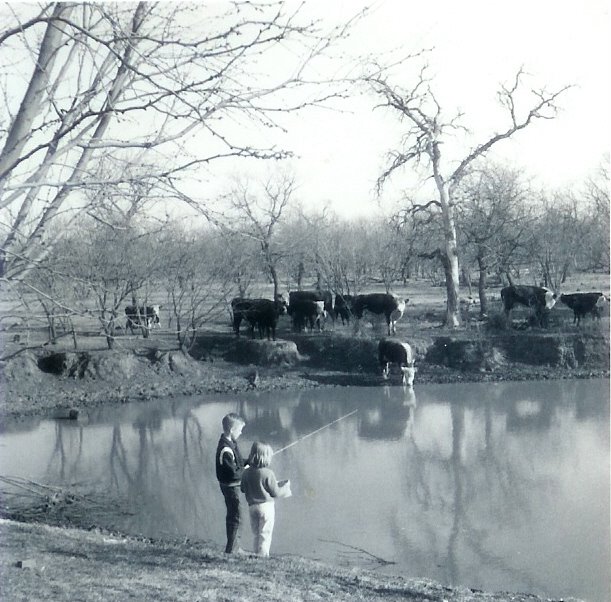
Fishing with my brother David. Daddy tossed out our TV early on, so this is how we spent our afternoons. Sometimes I fished, other times I read aloud while he fished. We would talk about stuff for hours. He was a fine boy, but he's a truly great man, with towering intellect and spiritual depth. That greatness of mind took root while meditating life and God and ideas on the banks of ponds like this. I wonder what sort of man he'd be if he'd grown up in front of a TV instead.
The farm is also a natural habitat for tarantulas, black widows, brown recluses, scorpions, rattlesnakes, water moccasins, bobcats, coyotes, the occasional wild boar, snapping turtles that could take your toe off, roving packs of aggressive emus, angry bulls in the pastures, and wild stray dogs, not to mention the minor stuff like bees, hornets, wasps and mosquitos, or even the flora dangers like cactus, mesquite thorns, devil's horns, bull-nettle, poison oak and huge grass burrs, all of which are everywhere. WHEW.
Out in the country, there is no way to control your encounters with such dangers -- even staying 'safely indoors' won't do, because critters find their way in. So my parents recognized that their only reasonable option was to teach us how to do what we could -- how to best live where God had put us. Then they simply let us roam the countryside with total freedom (and prayed lots, I'm sure).
My parents taught us that God has dominion not only over us but also over all of His creation -- every scorpion, every spider, every single snake. I have called upon the power of His dominion many times while staring down a rattlesnake. Here's the plot twist: David and I have a younger brother, Danny, who is autistic and mute. When he was a child, he loved to play with pea gravel -- sifting it through his fingers, tossing it into the air, running his hands over it -- so my father built him a fenced gravel pit outside, close to the house. He also loved anything string-like -- twine, ropes, thread -- so it stood to reason that he might not have the desired reaction should a snake slither into his gravel pit. He was also completely unafraid of creepy-crawlies.
One day we found him sifting his gravel to the amusement of a huge tarantula about four feet away.
After that, my father instructed David and me that if we ever saw anything on the farm that could harm Danny, we were to try to kill it if we could do so safely. We were probably between 8 and 10 at the time. We were fiercely protective of our little brother, and we took Daddy very, very seriously.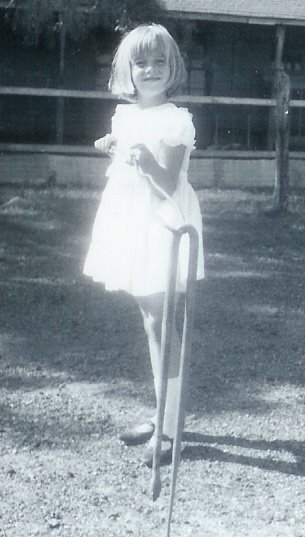
I'll cut to the chase now, even though this could become a much longer story if I were to tell you all the adventures from those years. By the time I graduated from high school, I had single-handedly killed nine rattlers, all of which I came upon alone and unarmed (I've still never shot a gun). David killed his share as well.
At times they could not be avoided, even indoors -- one winter a large rattler hibernated in our pantry, coiled around the crank shaft down inside the ice cream maker. Its discovery was momentous, to be sure. And then there was the time Mother opened the silverware drawer to find... but you probably don't need details on that one, seeing as how you may be called upon to set your table within a few hours. We learned that boxes were likely to have brown recluses in them -- to count on it and be ready. That a board or stone was likely to have a black widow under it. To always check under a swing or yard chair before sitting down. That if you ever see a scorpion, to start looking for its mate because they travel in pairs. To be super-aware around sandstone rocks and cliffs, because rattlers blend in completely. That tarantulas can jump VERY far, so you only approach one from behind and watch him closely lest he turn quickly. That baby rattlers have venom, but they don't have noisy rattlers yet to warn you, so they are doubly dangerous. That boots and jeans are a necessity and not a fashion statement. To never stare an agitated animal in the eye. Things like that.
These things are all second nature to me now, things I do without a spirit of fear. It just seems an ordinary part of being wise in your surroundings.
I now live smack in the middle of a major metropolitan area, in a residential neighborhood practically devoid of wildlife, where pest control companies have eliminated most anything with more than four legs. I am much more afraid outside here than I ever was on the farm. Why? Because the dangers of human nature are far less predictable than the dangers of wild nature. When we visit the farm now, I turn my children loose after giving them the drill on how to handle the indigenous dangers. Then I relax with a glass of tea. But here in the city, I am always vaguely unsettled when they are outside. I become hypervigilant if they get near the end of our block.
I will never be as wary of a rattlesnake as I am of a stray car creeping through my neighborhood, or a stranger roaming the alley. A doctor can treat the wounds of the wild, but not this other kind.
Here's the bottom of it: I am a calm, confident adult with few fears, and I attribute much of that to learning the boundaries of nature and finding my place there as a child. I find that my adult friends who are irrationally afraid of things -- the dark, the wind, lightning storms, creepy-crawlies -- are the ones who were raised mostly indoors, under mother's wing. I wouldn't trade places with them for anything. I have sadly seen them clutched in fear over things that fluster me not at all. In a nighttime storm, I can sip tea and enjoy the wild song of the howling wind, while they tremble at the window and imagine the end of the world as they know it.
But it's God's world, and He knows we're in it.
What a great gift it is to live at peace with nature. But you don't learn how by playing it safe. Your choice is to get out there and learn to respect the wild and master your place in it, or hang back and shudder in fear of it. There's not much middle ground.
If my son gets bitten by a snake or a spider, there's a hospital nearby -- he'll be okay. But if he grows up to be a soft, timid man, one possessed of a need for protection rather than a will to protect -- well, my damage is done at that point and there's nothing I can do to repent of it.
We are supposed to protect our young. But we are also to help them learn to be competent, at ease, and able to rejoice in the world God made for them to live in, with its beauties and its dangers. It's a gift to be shown how to live wisely, confidently and peacefully in the natural world God set us in.
November 2, 2005
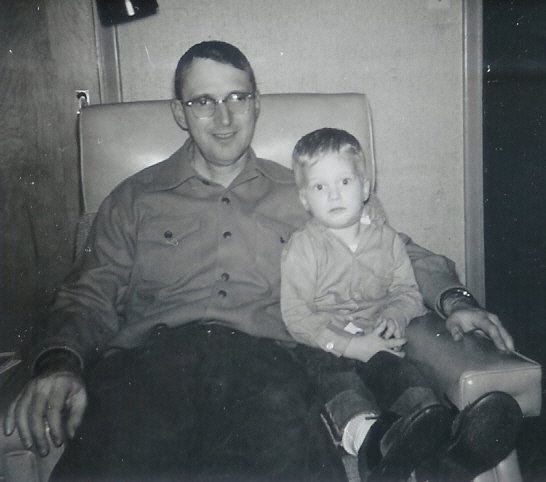
Carl C. Bruce 5/23/16 - 11/2/04
"For I am persuaded, that neither death, nor life, nor angels, nor principalities, nor powers, nor things present, nor things to come, nor height, nor depth, nor any other creature, shall be able to separate us from the love of God, which is in Christ Jesus our Lord."
Romans 8: 38-39

He was a man I loved and respected greatly. May he rest in peace with the Lord.
Romans 8: 38-39
He was a man I loved and respected greatly. May he rest in peace with the Lord.
November 1, 2005
A Random Fact
Fa-So-La-La
So, how many of you know how the Wedgwood China industry was started?
Josiah Wedgwood, who lived in the late 1700's, had smallpox as a child. He survived, but it left his hands and legs too weak to work the pottery wheels in his family's business. So he instead turned to designing pottery, which he proved very good at. From there he went on to study the techniques used in making pottery, and made several brilliant improvements to the process. With his guidance, the family business grew and became extremely prosperous and well-respected, and Josiah died one of the richest men in the world. Wedgwood is still considered some of the best china there is.
And all because a child had smallpox. Isn't providence hilarious sometimes?
So, how many of you know how the Wedgwood China industry was started?
Josiah Wedgwood, who lived in the late 1700's, had smallpox as a child. He survived, but it left his hands and legs too weak to work the pottery wheels in his family's business. So he instead turned to designing pottery, which he proved very good at. From there he went on to study the techniques used in making pottery, and made several brilliant improvements to the process. With his guidance, the family business grew and became extremely prosperous and well-respected, and Josiah died one of the richest men in the world. Wedgwood is still considered some of the best china there is.
And all because a child had smallpox. Isn't providence hilarious sometimes?
Subscribe to:
Posts (Atom)


 Posts
Posts





